
Videos

Panel Timestamps
Welcoming Remarks: Dr. Patel - 4:53
Panel 1: Guidelines Overview with Thomas Getchius and Mindy Saraco - 9:25
Panel 2: Clinician's Perspective with Michael Honigberg, MD, and Kaavya Paruchuri, MD - 35:00
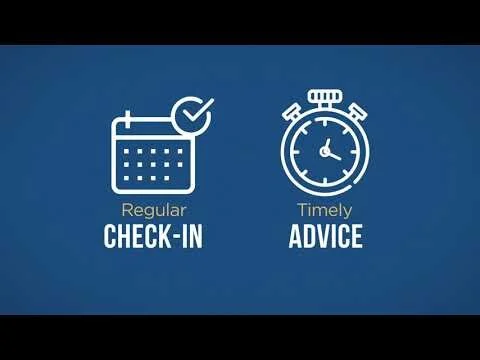
Telemedicine provides a lifeline, keeping patients and providers connected during turbulent times.

When insurers require that patients "fail first" before accessing their prescribed treatment, patients can suffer.

When prior authorization delays treatment, patients can see their symptoms worsen and their relationship with their physician erode.

Sometimes economists can have more control than your doctor about whether you get the medicine that treats your condition.

The health care system has focused on disease long enough. It’s time to focus on patients.

In a first-of-its-kind study, the Alliance for Patient Access reveals that non-medical switching, where insurers or pharmacy benefit managers drive stable patients to switch to lower-cost medicines, can levy widespread damage on patients’ quality of life.

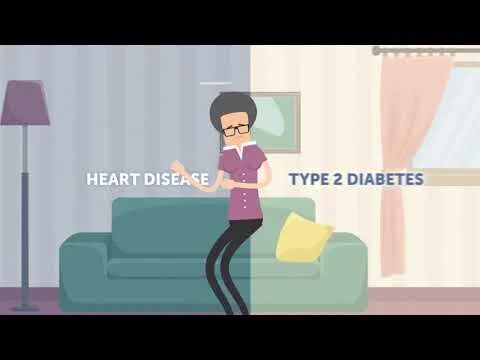
People with Type 2 diabetes are twice as likely to have heart disease. But is the health care system set up to effectively manage patients with coexisting conditions?

Do pharmacy benefit managers really keep prescription prices low for people with diabetes?

People with diabetes describe non-medical switching, where an insurer has pushed them to change insulin, pumps, meters or other medical necessities.

What happens when a health plan drives diabetes patients to switch their medication, insulin, or medical device?
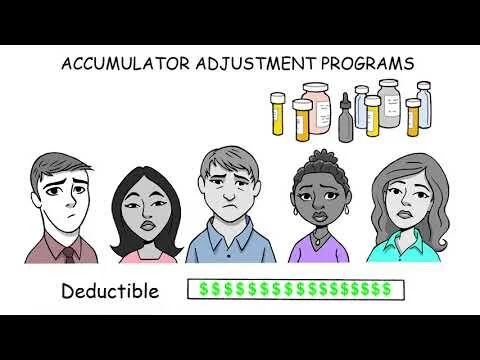
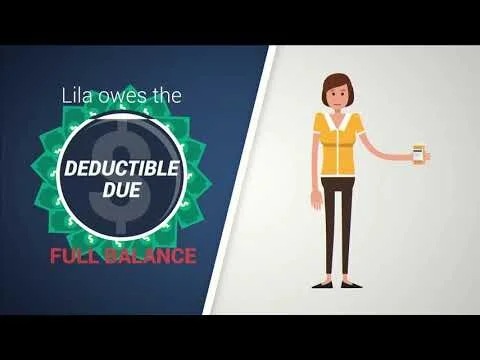
Co-pay accumulator adjustment programs mean big setbacks for patients with serious diseases.