Jump to: Reports and Analyses | Podcast | Videos | Infographics | Blog
Reports and Analyses
Featured





Jump to: Reports and Analyses | Podcast | Videos | Infographics | Blog
Reports and Analyses
Podcast
Certain patients with chronic diseases such as diabetes who have high deductible health plans may see some out-of-pocket relief soon. In this episode, John Anderson, MD, talks about the patient experience now and potential implications of a new policy.
When it comes to rising insulin prices, pharmacy benefit managers are “driving the bus” explains George Huntley. In this episode, George describes the dynamics that continue to push insulin out of patients’ reach.
Frank Lavernia, MD, explains how insulin pricing has evolved, why it’s becoming unaffordable and what that means for diabetes patients. He also describes a new trend in pharmacies’ distribution of insulin pens.
Videos
Panel Timestamps
Welcoming Remarks: Dr. Patel - 4:53
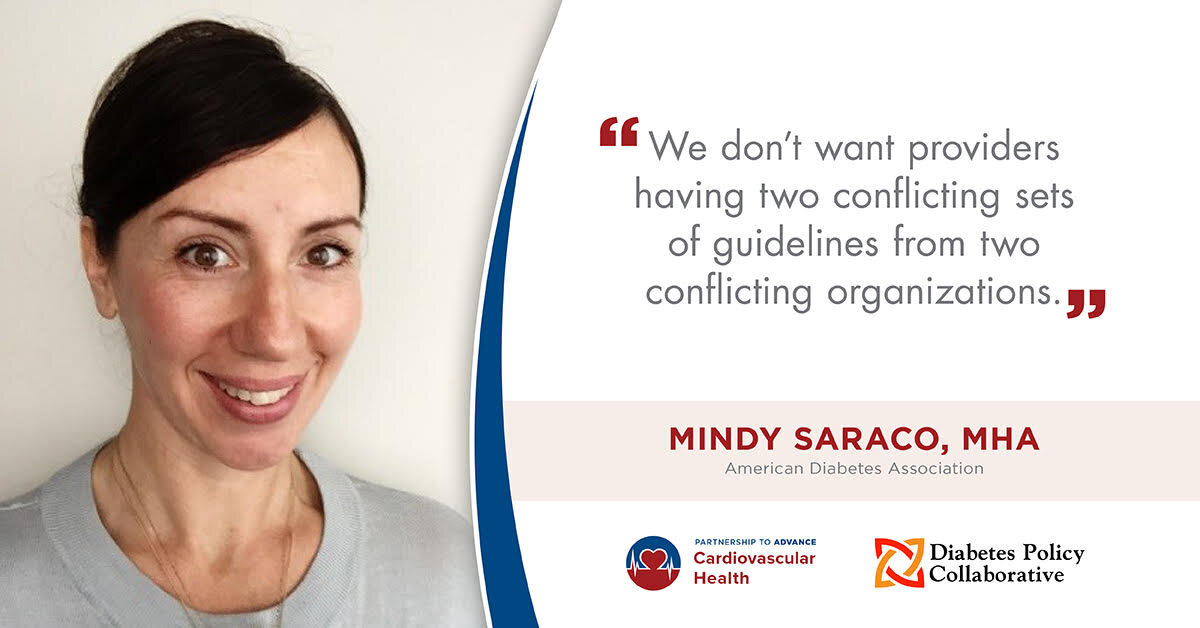
Panel 1: Guidelines Overview with Thomas Getchius and Mindy Saraco - 9:25
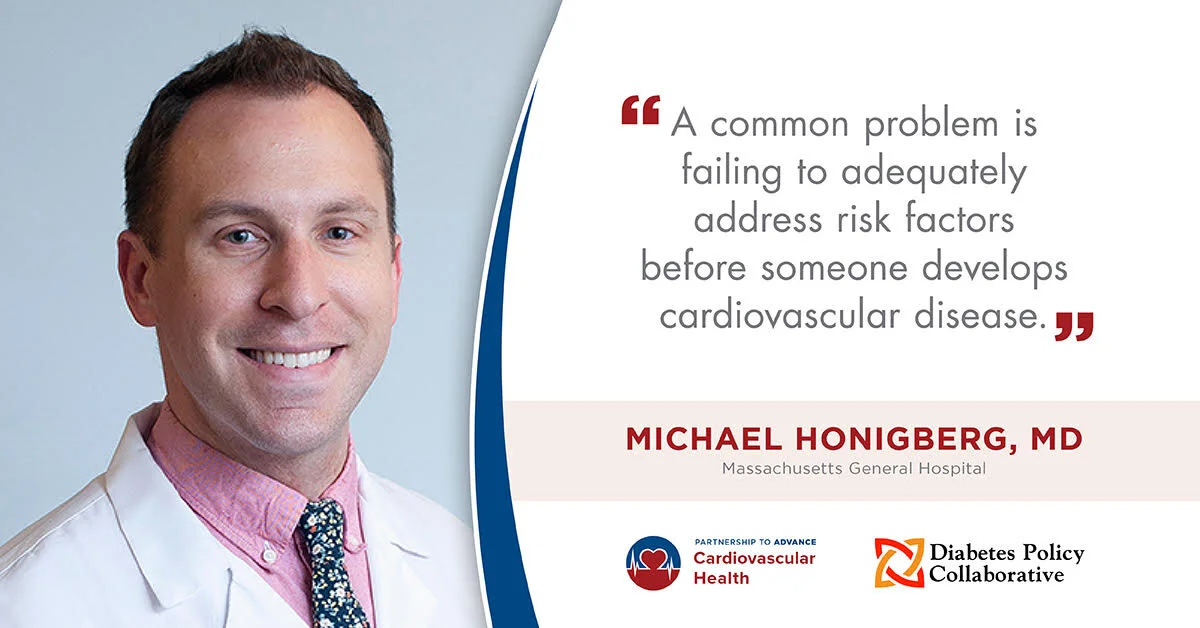
Panel 2: Clinician's Perspective with Michael Honigberg, MD, and Kaavya Paruchuri, MD - 35:00
Telemedicine provides a lifeline, keeping patients and providers connected during turbulent times.
When insurers require that patients "fail first" before accessing their prescribed treatment, patients can suffer.
When prior authorization delays treatment, patients can see their symptoms worsen and their relationship with their physician erode.
Sometimes economists can have more control than your doctor about whether you get the medicine that treats your condition.
The health care system has focused on disease long enough. It’s time to focus on patients.
In a first-of-its-kind study, the Alliance for Patient Access reveals that non-medical switching, where insurers or pharmacy benefit managers drive stable patients to switch to lower-cost medicines, can levy widespread damage on patients’ quality of life.
People with Type 2 diabetes are twice as likely to have heart disease. But is the health care system set up to effectively manage patients with coexisting conditions?
Do pharmacy benefit managers really keep prescription prices low for people with diabetes?
People with diabetes describe non-medical switching, where an insurer has pushed them to change insulin, pumps, meters or other medical necessities.
What happens when a health plan drives diabetes patients to switch their medication, insulin, or medical device?
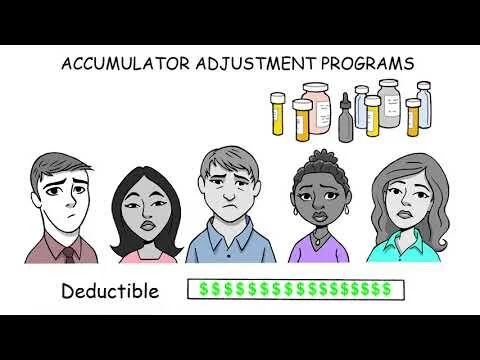
Co-pay accumulator adjustment programs mean big setbacks for patients with serious diseases.
Infographics
Blog
“A few of my patients are kids. Others are over age 90. But nearly all are overweight or obese.
As a clinical lipidologist – a cholesterol expert – practicing in preventive cardiology, I’ve learned to expect this connection between lipids like cholesterol and triglycerides, pre- and outright diabetes and body weight.”
America faces a good news-bad news situation, according to the newly published annual report from the American Cancer Society.
It can take 17 years for medical breakthroughs to move from the lab to the clinic, where patients can finally benefit. Why the lag?
Heart disease and Type 2 diabetes aren’t just common. They commonly occur together. So why does the health care system force patients with both conditions to treat one disease at a time?
The pandemic has forced many Americans to re-examine their approach to life’s challenges and identify ways to be more efficient in changing times. The same should apply to treating people who live with diabetes.
ABC News chief medical correspondent Dr. Jennifer Ashton talks about the importance of being your own advocate and asking your doctor about being screened for diabetes.